On this page
Vision AI reduces risk in food manufacturing by catching labeling errors, defective or damaged products, and miscounts on the line in real time, before they leave your facility. ClearObject's Vision AI solution, ClearVision, acts like a second set of eyes on the line.
One mislabeled product, one damaged package, or one underfilled case can lead to rework, waste, or a product recall. That is why more manufacturers are adding Vision AI to their quality, speed, and compliance efforts.
What does risk cost food manufacturers?
Let’s start with the stakes. According to a study by the Food Marketing Institute and the Grocery Manufacturers Association, the average cost of a food recall is $10 million—and that doesn’t account for long-term brand damage or lost customer trust (source).
Common sources of risk include:
- Mislabeling (allergens, expiration dates, ingredient lists)
- Foreign object contamination
- Packaging defects
- Product inconsistencies
- Shipping errors caused by miscounts
Traditional quality assurance methods—often relying on manual inspection or basic camera systems—can miss small, fast-moving, or hard-to-see issues. That’s where Vision AI steps in.
How does ClearVision reduce risk in food manufacturing?
ClearVision is a Vision AI solution built specifically for manufacturing environments, including the unique challenges of food production. It integrates with your existing camera infrastructure and uses advanced machine learning models to identify problems in real time.
Here are three key use cases where ClearVision actively reduces operational and compliance risk:
1. Label Verification
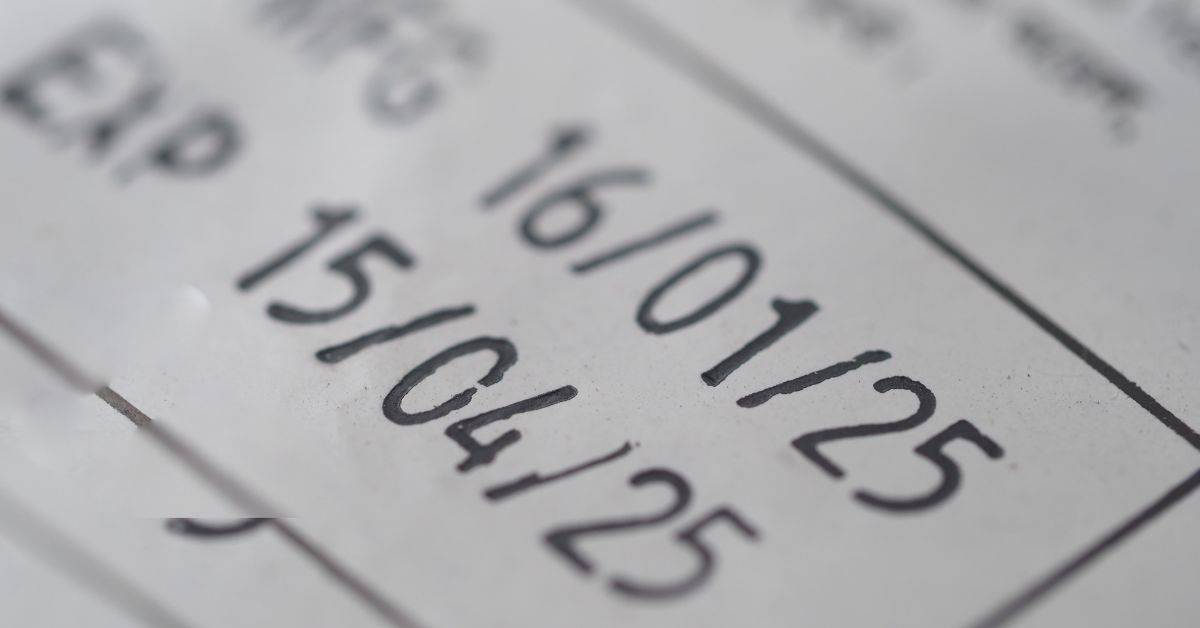
Mislabeling is a top reason for food recalls, especially when it involves allergens. Vision AI automatically verifies that each package has the correct label, that the expiration date is present and legible, and that required disclosures are included.
Risk reduction impact:
- Prevents recalls
- Ensures regulatory compliance (FDA, FSMA, etc.)
- Reduces liability from misinformed consumers
- Builds customer trust in product accuracy
2. Defect Detection
Vision AI can spot foreign objects, damaged packaging, missing components, or product deformations as items move down the line—issues that the human eye or non-intelligent vision systems can easily miss.
Risk reduction impact:
- Minimizes contaminated or defective products from reaching shelves
- Reduces waste by identifying issues early in the process
- Strengthens brand reputation for quality
- Enhances audit and compliance readiness
3. Item Counting
Accurate item counts are critical in ensuring the correct quantities are packaged, shipped, and invoiced. Vision AI counts products with precision, even in fast-paced environments.
Risk reduction impact:
- Avoids customer complaints and contract violations
- Reduces shrinkage from underpacking or overpacking
- Enables real-time correction of line-level errors
- Improves fulfillment accuracy and traceability
Why are food manufacturers turning to ClearVision?
Unlike traditional cameras or manual inspections, ClearVision doesn’t just “see”—it understands what it’s seeing. Using advanced models trained on real production data, ClearVision adapts to product variations and learns over time, getting smarter with use.
And since it’s designed to work with your existing camera hardware and operations, ClearVision offers fast deployment, minimal downtime, and measurable ROI from day one.
Vision AI Isn’t the Future—It’s the Now
Food manufacturing is high-stakes. Consumers expect transparency and consistency. Regulators demand compliance. One slip-up can cost millions. Vision AI offers a scalable, proactive way to reduce those risks—without slowing down production.
ClearVision brings intelligent inspection to the line—where speed, accuracy, and consistency matter most.
Want to learn more about how Vision AI can protect your brand?
Contact our team to see ClearVision in action.
Frequently asked questions
How much does a food recall cost?
According to a study by the Food Marketing Institute and the Grocery Manufacturers Association, the average food recall costs $10 million. That figure doesn't include long-term brand damage or lost customer trust.
What can Vision AI check on a food label?
Vision AI verifies that each package has the correct label, that the expiration date is present and legible, and that required disclosures are included.
What defects can Vision AI detect on a food production line?
It can spot foreign objects, damaged packaging, missing components, and product deformations as items move down the line.
Does ClearVision require new cameras?
No. ClearVision is designed to work with your existing camera hardware and operations, which allows fast deployment with minimal downtime.
- ClearVision
- defect detection
- food and beverage
- food and beverage automation
- food and beverage manufacturing
- food item counting
- label verification
- manufacturing risks
- vision AI
- vision aI for quality control